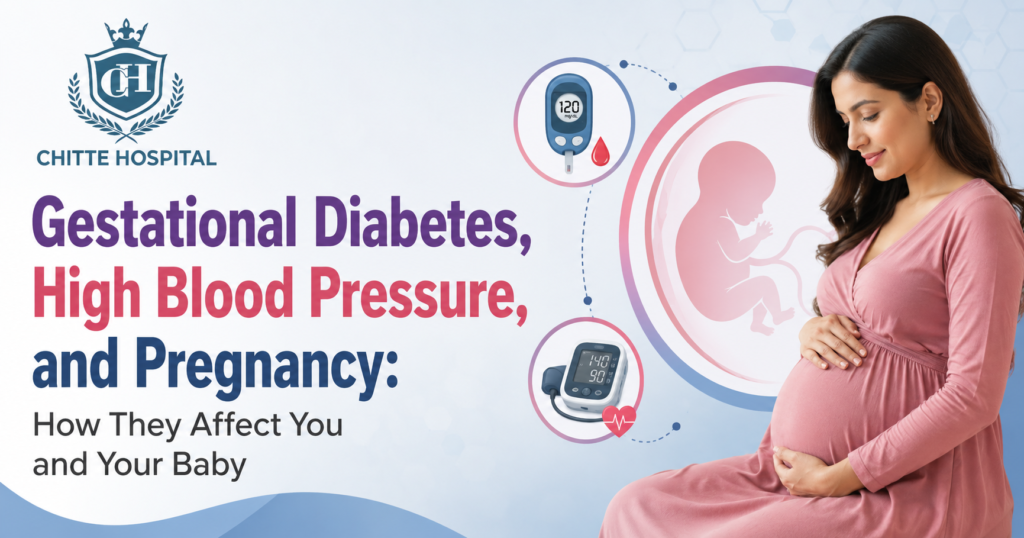
Pregnancy brings many physical and hormonal changes, and some conditions require closer monitoring to protect both mother and baby. Gestational diabetes and high blood pressure during pregnancy are two important conditions that can affect pregnancy outcomes. When they occur together, careful monitoring and timely treatment become especially important.
If you are looking for infertility & IUI treatment in PCMC, it is also important to understand that pregnancy care does not end once conception occurs. Regular antenatal checkups help identify conditions such as elevated blood sugar or blood pressure early, allowing doctors to manage them before they become more serious.
The good news is that having gestational diabetes or pregnancy-related high blood pressure does not automatically mean that you or your baby will have complications. With appropriate medical care, monitoring, nutrition, medication when needed and regular fetal assessment, many women go on to have healthy pregnancies and babies.
What Is Gestational Diabetes?
Gestational diabetes is diabetes that develops during pregnancy. It happens when the body cannot produce enough insulin or does not use insulin effectively enough to maintain normal blood glucose levels.
Pregnancy hormones naturally increase insulin resistance as pregnancy progresses. For some women, the pancreas cannot produce enough additional insulin to compensate, causing blood glucose levels to rise.
Importantly, gestational diabetes is not simply caused by eating sweets or having an unhealthy diet. It can occur even in women who have generally healthy eating habits.
The American College of Obstetricians and Gynecologists explains that keeping blood sugar within the recommended range during pregnancy can help reduce the risk of complications for both mother and baby.
How Can Gestational Diabetes Affect the Baby?
When blood glucose remains higher than recommended during pregnancy, the baby may receive more glucose than it needs. The baby’s body responds by producing more insulin, which can contribute to increased growth.
Some possible complications associated with poorly controlled gestational diabetes include:
- A larger-than-average baby
- Greater difficulty during vaginal delivery
- Increased possibility of cesarean birth
- Low blood sugar after birth
- Jaundice or breathing difficulties in some newborns
The risk does not mean that every baby of a mother with gestational diabetes will develop these problems. Good blood glucose control and appropriate prenatal monitoring can significantly improve pregnancy management.
There can also be longer-term considerations. Children born following a pregnancy affected by diabetes may have a higher risk of obesity and type 2 diabetes later in life, making healthy habits and appropriate follow-up important.
What Is High Blood Pressure During Pregnancy?
High blood pressure during pregnancy can take different forms. Some women have hypertension before becoming pregnant, while others develop it after 20 weeks of pregnancy.
Gestational hypertension generally refers to blood pressure of 140/90 mmHg or higher that develops after 20 weeks in someone who previously had normal blood pressure.
In some cases, high blood pressure can progress to preeclampsia, a more serious pregnancy complication involving high blood pressure and signs that other organs may be affected.
According to the World Health Organization, preeclampsia affects approximately 3% to 8% of women who give birth worldwide and can progress to eclampsia, which involves seizures and can be life-threatening.
How Can High Blood Pressure Affect the Mother?
High blood pressure during pregnancy can place additional stress on the mother’s blood vessels and organs. Depending on its severity, it may affect the kidneys, liver, brain and cardiovascular system.
Preeclampsia can cause serious complications if it is not detected and managed appropriately. These may include seizures, organ damage, placental abruption and other potentially dangerous problems.
High blood pressure may not always cause noticeable symptoms. This is one reason blood pressure measurements are an important part of routine prenatal appointments.
Some symptoms that should receive immediate medical attention include:
- Severe or persistent headache
- Blurred vision or seeing spots
- Pain in the upper abdomen
- Sudden swelling of the face or hands
- Difficulty breathing
- Feeling unusually unwell
These symptoms do not always mean preeclampsia, but they should not be ignored during pregnancy.
How Can High Blood Pressure Affect the Baby?
High blood pressure can affect blood flow to the placenta. When placental blood flow is affected, the baby may not receive sufficient oxygen and nutrients for normal growth.
Potential pregnancy complications can include:
- Restricted fetal growth
- Preterm birth
- Placental abruption
- Low birth weight
- Stillbirth in severe cases
The American College of Obstetricians and Gynecologists notes that high blood pressure can increase the risk of fetal growth problems and preterm birth.
This is why women with gestational hypertension or preeclampsia may require more frequent prenatal visits and additional tests to monitor the baby’s growth and well-being.
What If You Have Both Gestational Diabetes and High Blood Pressure?
Having both conditions does not mean that complications are inevitable, but it can make pregnancy management more complex.
Diabetes and high blood pressure can each increase the risk of pregnancy complications, and they may occur together in some women. The combination may require closer monitoring of blood sugar, blood pressure, fetal growth and overall maternal health.
Your doctor may recommend more frequent appointments, blood tests, urine tests, ultrasound examinations or other assessments depending on your individual circumstances.
The purpose of this additional monitoring is not to create unnecessary worry. It is to identify changes early and intervene when appropriate.
How Is Gestational Diabetes Managed During Pregnancy?
Treatment depends on your blood glucose levels and individual health needs. Many women can manage gestational diabetes through a combination of nutritional changes, physical activity appropriate for pregnancy and regular blood glucose monitoring.
Some women may require medication or insulin when lifestyle measures are not enough to maintain glucose levels within the recommended range.
Your healthcare provider may also monitor the baby’s growth more closely as pregnancy progresses.
It is important not to drastically restrict food or skip meals in an attempt to lower blood sugar. Pregnancy requires adequate nutrition for both mother and baby, so dietary changes should ideally be planned with guidance from your healthcare team.
How Is High Blood Pressure Managed During Pregnancy?
Management depends on how high the blood pressure is, when it developed, whether there are signs of preeclampsia and how the baby is doing.
Your doctor may recommend regular blood pressure checks, urine testing, blood tests and fetal monitoring. In some situations, pregnancy-safe blood pressure medication may be prescribed.
For women at high risk of preeclampsia, preventive measures such as low-dose aspirin may be recommended by a healthcare professional. However, aspirin should not be started during pregnancy without medical advice. The WHO recommends preventive strategies for women at increased risk based on individual circumstances.
In more severe cases, hospitalization or early delivery may become necessary. The timing depends on the health of the mother, the baby’s condition, pregnancy duration and severity of the disease.
What Can You Do to Support a Healthy Pregnancy?
If you have gestational diabetes, high blood pressure or both, consistent prenatal care is one of the most important things you can do.
Practical Steps to Follow
- Attend all scheduled prenatal appointments and monitoring visits.
- Take prescribed medications exactly as directed.
- Monitor blood glucose or blood pressure at home when advised.
- Follow a balanced pregnancy-appropriate diet and remain physically active when your doctor says it is safe.
- Report concerning symptoms promptly instead of waiting for your next appointment.
Do not stop blood pressure medication or diabetes treatment on your own because you are pregnant. Your doctor can determine which medications are appropriate and whether any changes are necessary.
Can You Still Have a Healthy Baby?
Yes. A diagnosis of gestational diabetes or high blood pressure does not automatically mean that your pregnancy will have a poor outcome.
The key is early detection, appropriate treatment and regular monitoring.
Many women with these conditions deliver healthy babies when their blood glucose and blood pressure are carefully managed. Your healthcare team may adjust your care throughout pregnancy based on how you and your baby are progressing.
It is also worth remembering that some pregnancy complications can continue to matter after delivery. Women who experience gestational diabetes have a higher future risk of diabetes, while women who develop gestational hypertension or preeclampsia have an increased risk of hypertension and cardiovascular disease later in life.
Postpartum follow-up is therefore an important part of long-term health.
When Should You Seek Immediate Medical Attention?
Pregnant women with high blood pressure should contact their healthcare provider promptly if they develop symptoms suggestive of preeclampsia.
Seek urgent medical assessment for symptoms such as a severe headache that does not improve, vision changes, severe upper abdominal pain, significant breathing difficulty, seizures or feeling suddenly and seriously unwell.
Preeclampsia can also develop after delivery, so concerning symptoms should not be ignored during the postpartum period.
High Risk Pregnancy Care for Diabetes and Blood Pressure Problems
Pregnancy complicated by gestational diabetes, hypertension or preeclampsia may require closer supervision than a routine pregnancy. This is where High Risk Pregnancy Care can make an important difference.
High-risk pregnancy management focuses on identifying potential complications early, monitoring maternal health, assessing fetal growth and coordinating treatment when necessary. The exact monitoring schedule depends on each woman’s medical history and pregnancy.
The aim is not simply to treat a condition after it develops. It is to continuously assess both mother and baby so that potential problems can be identified as early as possible.
Expert Pregnancy Care With Dr. Anil Chitte
If you are experiencing gestational diabetes, high blood pressure or other pregnancy-related concerns, Dr. Anil Chitte can provide appropriate evaluation, monitoring and pregnancy care based on your individual needs.
For women searching for High Risk Pregnancy Care in PCMC, timely consultation can help ensure that blood sugar, blood pressure, fetal growth and other important aspects of pregnancy are monitored appropriately.
A high-risk pregnancy may require additional attention, but with proper medical supervision and a personalized care plan, many women can progress toward a safe delivery and a healthy baby.
Hashtags
#HighRiskPregnancy #GestationalDiabetes #PregnancyCare #PregnancyHealth #HighBloodPressureInPregnancy #Preeclampsia #MaternityCare #HealthyPregnancy #MaternalHealth