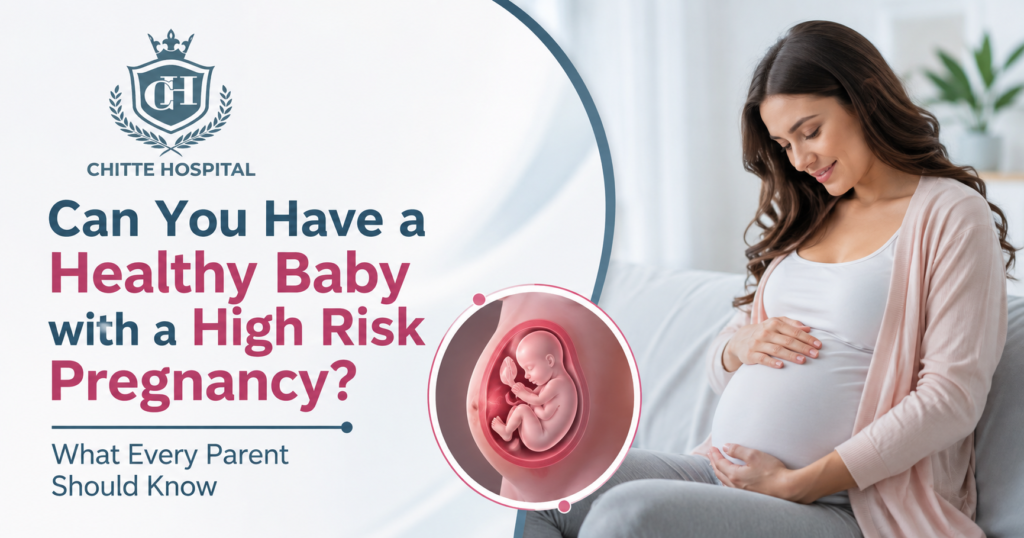
Hearing the words “high risk pregnancy” can be frightening for any parent. However, being classified as high risk does not mean that a healthy baby is impossible. It simply means that the mother, baby, or both may need closer monitoring and additional medical care during pregnancy. With timely diagnosis, regular checkups, and appropriate treatment, many people with high risk pregnancies go on to have healthy babies.
Early and consistent prenatal care is particularly important. If you are also seeking Menstrual Disorder Treatment in Bhosari, discussing your reproductive and medical history with your obstetrician can help identify factors that may affect a future pregnancy.
What Does High Risk Pregnancy Actually Mean?
A high risk pregnancy is one in which there is a greater-than-usual chance of health complications affecting the mother, baby, or both. The term covers a wide range of situations. Some pregnancies may require only additional monitoring, while others need care from an obstetrician and maternal-fetal medicine specialist.
According to the American College of Obstetricians and Gynecologists (ACOG), conditions such as diabetes, high blood pressure, heart disease, certain pregnancy complications, and fetal growth problems can make a pregnancy higher risk. Age and previous pregnancy complications can also influence the level of monitoring required.
Importantly, “high risk” does not automatically mean “dangerous” or “unhealthy.” It means your healthcare team has identified factors that deserve closer attention.
Can a High Risk Pregnancy Result in a Healthy Baby?
Yes. Many parents with high risk pregnancies have healthy babies.
The goal of High Risk Pregnancy Care is to identify potential problems early, monitor changes closely, and manage complications before they become more serious. ACOG notes that patients with high risk pregnancies may require additional appointments, ultrasounds, fetal monitoring, or consultation with specialists depending on their individual circumstances.
For example, a woman with controlled high blood pressure may need more frequent blood pressure checks and fetal growth monitoring. Someone with diabetes may require closer monitoring of blood glucose and the baby’s growth. The exact care plan depends on the reason the pregnancy has been classified as high risk.
Why Early Prenatal Care Matters
One of the most important things parents can do is begin prenatal care as early as possible.
ACOG states that the earlier prenatal care begins, the better the opportunity to monitor the health of both the pregnant person and the baby. Prenatal appointments allow healthcare professionals to assess health, perform appropriate tests, identify complications, and provide guidance throughout pregnancy.
Regular appointments can help your doctor monitor:
- Blood pressure and other maternal health measurements
- Baby’s growth and development
- Blood and urine test results
- Blood sugar when indicated
- Placental and amniotic fluid concerns
- Symptoms that may require further investigation
If a complication is detected, treatment or monitoring can often begin promptly.
Common Reasons a Pregnancy May Be High Risk
There is no single reason why a pregnancy becomes high risk. Sometimes the risk is known before conception, while in other cases it develops during pregnancy.
Common factors include:
Maternal health conditions
Conditions such as diabetes, chronic high blood pressure, thyroid disorders, heart disease, kidney problems, and certain autoimmune conditions can require additional pregnancy monitoring.
Having one of these conditions does not mean that a healthy baby is impossible. ACOG recommends appropriate management of chronic conditions before and during pregnancy to help reduce pregnancy-related risks.
Previous pregnancy complications
A history of miscarriage, preterm birth, preeclampsia, gestational diabetes, or other pregnancy complications may influence care during a subsequent pregnancy.
Your doctor may review your previous pregnancy records and create an individualized monitoring plan.
Maternal age
Pregnancy after age 35 may involve certain increased risks, and additional monitoring may be recommended depending on the individual’s health and pregnancy history. ACOG emphasizes that many pregnancies after 35 are healthy, but regular prenatal care is particularly important.
Problems identified during pregnancy
Sometimes a pregnancy initially appears low risk but becomes high risk after an ultrasound or routine test identifies an issue.
Examples include:
- Baby measuring smaller than expected
- Abnormal amniotic fluid levels
- Certain fetal structural abnormalities
- High blood pressure developing during pregnancy
- Reduced fetal movement
In these situations, closer monitoring can help doctors determine whether additional treatment or a change in the delivery plan is necessary.
What Does High Risk Pregnancy Care Involve?
High Risk Pregnancy Care is individualized. Not every person will need the same tests or frequency of appointments.
Depending on the situation, your doctor may recommend additional ultrasounds to monitor fetal growth, blood tests, blood pressure monitoring, fetal heart monitoring, or consultations with other specialists.
Some patients may also need more frequent prenatal visits. ACOG explains that people with high risk pregnancies may receive care from a team that can include an obstetrician, maternal-fetal medicine specialist, and other medical specialists when required.
This team-based approach is designed to answer an important question throughout pregnancy: Are both mother and baby doing well, and does anything need to change?
What Can Parents Do to Support a Healthy Pregnancy?
Medical care is important, but everyday habits also play a role.
1. Attend every recommended appointment
Do not skip appointments simply because you feel well. Some pregnancy complications may initially cause few or no noticeable symptoms.
2. Take prescribed medicines correctly
If you have diabetes, high blood pressure, thyroid disease, or another medical condition, follow your doctor’s treatment plan. Never stop or change prescription medication without discussing it with your healthcare provider.
3. Follow a nutritious diet
A balanced diet provides nutrients needed for your health and your baby’s growth. Your doctor may provide specific dietary recommendations based on your medical condition.
4. Stay physically active when advised
Physical activity can be beneficial during pregnancy, but the appropriate level depends on your individual circumstances. Ask your doctor which activities are safe for you.
ACOG does not recommend routine bed rest simply because a pregnancy is considered high risk. Activity recommendations should instead be individualized according to the mother’s and baby’s condition.
5. Avoid harmful substances
Smoking, alcohol, marijuana, and illegal drugs can harm pregnancy. ACOG recommends avoiding these substances during pregnancy.
Warning Signs That Need Immediate Medical Attention
Even with careful monitoring, pregnant women should know the warning signs that require prompt medical attention.
Contact your healthcare provider urgently if you experience:
- Vaginal bleeding
- Severe abdominal pain
- Severe or persistent headache
- Blurred vision or other vision changes
- Sudden swelling of the face or hands
- Fluid leaking from the vagina
- Regular painful contractions before the expected time
- Significant reduction in your baby’s movements after you have begun feeling regular movement
- Fever or feeling seriously unwell
- Difficulty breathing or chest pain
Do not wait for your next routine appointment if you develop concerning symptoms.
Does High Risk Mean You Will Need a C-Section?
Not necessarily.
The method and timing of delivery depend on the specific reason for the high risk classification and how the pregnancy progresses. Some people with high risk pregnancies can have a vaginal birth, while others may benefit from induction or cesarean delivery.
ACOG explains that some high risk pregnancies may require delivery before the due date if continuing the pregnancy creates greater risks for the mother or baby.
Your doctor should discuss the benefits and risks of different delivery options with you rather than assuming that every high risk pregnancy requires the same approach.
The Importance of Emotional Support
A high risk pregnancy can create significant anxiety. Frequent scans, additional tests, specialist appointments, and uncertainty about delivery can feel overwhelming.
Try to communicate openly with your healthcare team. Ask questions when you do not understand a test or recommendation. Having a partner or trusted family member accompany you to important appointments can also provide emotional support.
Remember that being labelled “high risk” is a reason for closer care, not a prediction that something bad will happen.
High Risk Pregnancy Care at Dr. Chitte Hospital
A high risk pregnancy deserves careful monitoring, timely diagnosis, and an individualized approach. With appropriate prenatal care, many parents with pregnancy risk factors can progress safely toward a healthy delivery.
Dr. Chitte Hospital focuses on comprehensive women’s healthcare and pregnancy management, helping expectant mothers receive appropriate monitoring and guidance throughout their pregnancy. For parents seeking High Risk Pregnancy Care in PCMC, the medical team can assess individual risk factors, monitor maternal and fetal well-being, and help plan appropriate care throughout pregnancy.
The most important step is not to panic when you hear “high risk.” Instead, work closely with your doctor, attend your appointments, follow medical advice, and report unusual symptoms promptly. With the right care and monitoring, a high risk pregnancy can still have a positive outcome for both mother and baby.
Hashtags
#HighRiskPregnancy #HighRiskPregnancyCare #PregnancyCare #HealthyPregnancy #PrenatalCare #MaternalHealth #PregnancyAwareness #WomensHealth #PCMC #DrChitteHospital