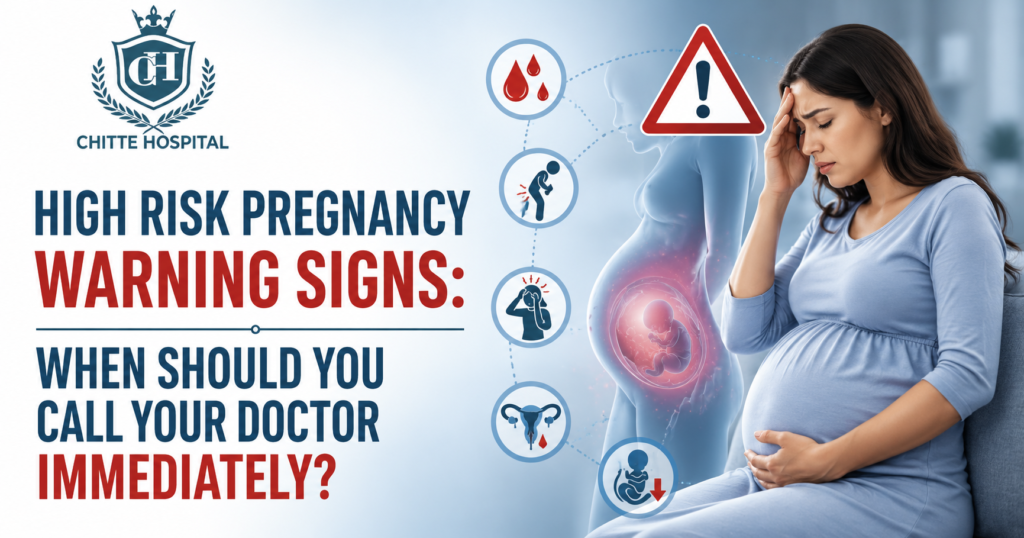
Pregnancy is an exciting journey, but it also comes with important health responsibilities. While many pregnancies progress without major complications, some require closer monitoring because they are considered a High-Risk Pregnancy. Knowing the warning signs that need immediate medical attention can help protect both the mother and the baby.
If you are planning a pregnancy or are already expecting, receiving care from experienced specialists is essential. Women seeking infertility & IUI treatment in PCMC often continue their pregnancy journey under expert supervision, especially if they have additional medical risk factors. Early prenatal care and timely intervention significantly improve pregnancy outcomes.
In this blog, we’ll discuss what a High-Risk Pregnancy means, the warning signs you should never ignore, and when you should contact your doctor without delay.
What Is a High Risk Pregnancy?
A High-Risk Pregnancy is one in which the mother, baby, or both have an increased chance of developing health complications before, during, or after delivery. This does not necessarily mean complications will occur, but it does mean that closer medical supervision is required.
According to the American College of Obstetricians and Gynecologists (ACOG), certain medical conditions, pregnancy-related complications, and maternal age can increase pregnancy risks and require specialized prenatal care.
Common factors that may contribute to a high risk pregnancy include:
- High blood pressure
- Diabetes before or during pregnancy
- Multiple pregnancy (twins or more)
- Previous pregnancy complications
- Placenta-related conditions
- Maternal age below 17 or above 35 years
- Kidney disease, heart disease, or autoimmune disorders
Regular antenatal checkups help identify many of these conditions early.
Warning Signs of High Risk Pregnancy You Should Never Ignore
Certain symptoms require immediate medical attention. Ignoring them may increase the risk of serious complications for both mother and baby.
1. Heavy Vaginal Bleeding
Light spotting may occur in early pregnancy, but heavy bleeding at any stage should never be ignored.
It may indicate:
- Miscarriage
- Placental problems
- Preterm labor
The Mayo Clinic advises pregnant women to seek immediate medical care for heavy bleeding, especially when accompanied by pain or dizziness.
2. Severe Abdominal Pain or Persistent Cramping
Mild stretching discomfort can be normal, but severe or persistent abdominal pain requires urgent evaluation.
Possible causes include:
- Placental abruption
- Ectopic pregnancy (early pregnancy)
- Preterm labor
- Other pregnancy complications
Prompt medical assessment helps determine the underlying cause.
3. Severe Headache with Blurred Vision
A persistent headache that does not improve with rest, especially when associated with blurred vision or seeing flashing lights, can be a warning sign of preeclampsia.
Other symptoms include:
- Swelling of the face or hands
- High blood pressure
- Pain below the ribs
- Sudden weight gain
According to ACOG, preeclampsia requires immediate medical evaluation because it can become life threatening if left untreated.
4. Baby’s Movements Become Less Frequent
During the third trimester, reduced fetal movements should never be ignored.
The NHS recommends contacting your maternity care provider immediately if you notice a significant reduction or complete absence of your baby’s usual movements.
Other Symptoms That Need Immediate Medical Attention
The following symptoms also require prompt medical consultation.
- Fever above 100.4°F (38°C)
- Persistent vomiting with inability to keep fluids down
- Leakage of fluid from the vagina
- Sudden swelling of the face or hands
- Pain or burning while passing urine
- Difficulty breathing
- Chest pain
- Seizures or loss of consciousness
These symptoms may indicate infections, premature rupture of membranes, severe dehydration, or other serious complications.
How Can You Reduce Pregnancy Risks?
Although not every complication can be prevented, several healthy habits can reduce pregnancy risks.
Follow These Healthy Pregnancy Tips
- Attend all scheduled prenatal appointments.
- Take prenatal vitamins exactly as prescribed.
- Eat a balanced diet rich in iron, calcium, protein, and folic acid.
- Stay physically active if your doctor recommends it.
- Manage diabetes or high blood pressure carefully.
- Avoid smoking, alcohol, and recreational drugs.
- Get enough sleep and stay hydrated.
The World Health Organization emphasizes that regular antenatal care helps detect pregnancy complications early and improves maternal and newborn outcomes.
When Should You Call Your Doctor Immediately?
Never wait until your next appointment if you experience symptoms that seem unusual or severe.
Contact your healthcare provider immediately if you have:
- Heavy vaginal bleeding.
- Severe abdominal pain.
- Reduced or absent fetal movement.
- Persistent severe headache with blurred vision.
- Leakage of fluid before labor.
- High fever or signs of infection.
- Severe swelling of the face or hands.
- Difficulty breathing or chest pain.
Quick medical attention can make a significant difference for both mother and baby.
Why Regular Monitoring Matters in High Risk Pregnancy
Women with a High-Risk Pregnancy often require additional monitoring compared to routine pregnancies.
Your doctor may recommend:
- More frequent prenatal visits
- Ultrasound scans
- Blood pressure monitoring
- Blood sugar monitoring
- Fetal growth assessments
- Non stress tests or biophysical profiles in later pregnancy
These evaluations help detect complications early and allow timely treatment when needed.
Supporting a Healthy Pregnancy
Every pregnancy is unique, and not every warning sign means something serious is happening. However, recognizing concerning symptoms early and seeking prompt medical care can prevent complications and improve outcomes.
Never ignore symptoms that feel unusual or severe. If you are uncertain, it is always safer to contact your obstetrician for guidance.
Expert High Risk Pregnancy Care at Chitte Hospital
At Chitte Hospital, Doctor Anil Chitte and the experienced obstetric team provide compassionate and comprehensive care for women with routine and High-Risk Pregnancy needs. From early prenatal assessments to advanced fetal monitoring and delivery planning, every patient receives personalized care focused on the health of both mother and baby.
If you are looking for trusted High-Risk Pregnancy Care in PCMC, Chitte Hospital offers advanced maternity services, timely diagnosis, and continuous support throughout your pregnancy journey.
Hashtags
#HighRiskPregnancy #PregnancyCare #MaternalHealth #PrenatalCare #HealthyPregnancy #PregnancyAwareness #WomensHealth #ChitteHospital #DrAnilChitte #HighRiskPregnancyCare #PCMC