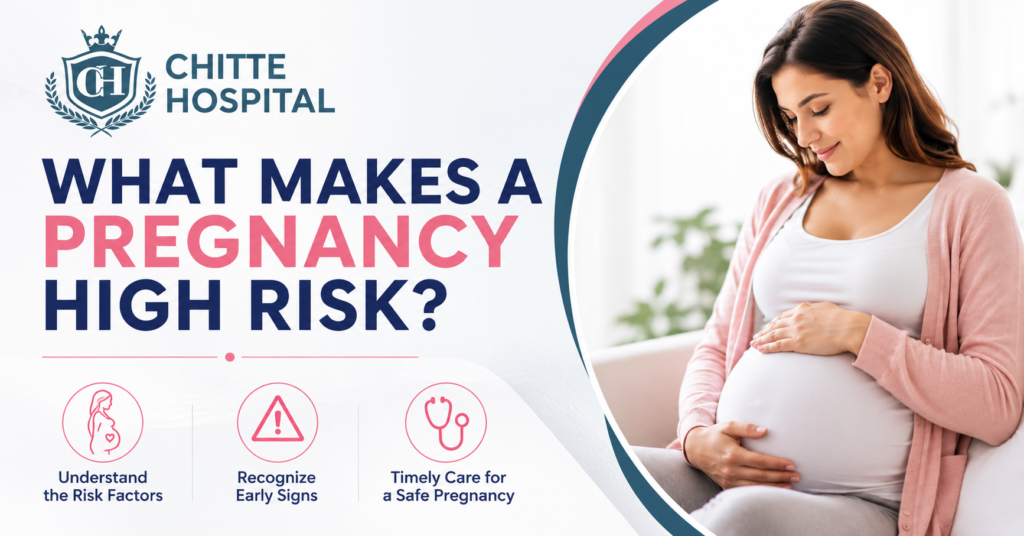
Pregnancy is an exciting journey, but every pregnancy is unique. While many women experience healthy pregnancies, some may require additional monitoring and medical attention due to certain health conditions or pregnancy related complications. This is known as a high risk pregnancy. Understanding what makes a pregnancy high risk and recognizing early warning signs can help ensure the best possible outcome for both mother and baby.
If you have previously struggled to conceive or are receiving treatment from an Infertility Specialist in Bhosari, it is important to continue receiving proper prenatal care throughout your pregnancy. Dr. Anil Chitte, an experienced obstetrician and gynecologist, believes that early diagnosis and timely High Risk Pregnancy Care can significantly reduce complications and improve maternal and fetal health.
What Is a High Risk Pregnancy?
A high risk pregnancy is one in which the mother, baby, or both have an increased chance of developing health complications before, during, or after childbirth. Being classified as high risk does not necessarily mean something will go wrong. It simply means that closer monitoring and specialized medical care are needed to ensure a safe pregnancy.
According to the American College of Obstetricians and Gynecologists (ACOG), many women with high risk pregnancies deliver healthy babies with proper prenatal care and timely intervention.
What Can Make a Pregnancy High Risk?
Several factors can increase the likelihood of pregnancy complications.
Some of the most common causes include:
- Maternal age below 17 or above 35 years.
- High blood pressure.
- Diabetes before or during pregnancy.
- Thyroid disorders.
- Obesity.
- Multiple pregnancy such as twins or triplets.
- Previous miscarriage or preterm birth.
- History of cesarean delivery.
- Kidney or heart disease.
- Autoimmune disorders.
- Placenta related complications.
Your doctor will assess your medical history, perform routine examinations, and recommend appropriate tests to determine whether additional monitoring is needed.
Early Signs You Should Never Ignore
Recognizing warning signs early allows doctors to identify problems before they become serious.
Seek immediate medical attention if you experience:
- Heavy vaginal bleeding.
- Severe abdominal pain or persistent cramps.
- Severe headache that does not improve.
- Blurred vision or sudden vision changes.
- Swelling of the face or hands.
- Reduced fetal movements after your doctor advises you to monitor them.
- Persistent vomiting causing dehydration.
- Leakage of fluid from the vagina.
- High fever.
- Regular contractions before 37 weeks of pregnancy.
These symptoms do not always indicate a serious complication, but they require prompt evaluation.
According to the World Health Organization (WHO), timely recognition of pregnancy complications is essential for reducing maternal and newborn health risks.
Common High Risk Pregnancy Conditions
Several medical conditions require specialized High Risk Pregnancy Care throughout pregnancy.
Gestational Diabetes
Gestational diabetes develops during pregnancy and increases the risk of having a larger baby, premature delivery, and future diabetes for both mother and child. Blood sugar monitoring, dietary changes, and medication when necessary help manage this condition effectively.
High Blood Pressure and Preeclampsia
Pregnancy induced hypertension and preeclampsia can affect blood flow to the placenta and increase the risk of serious complications. Regular blood pressure monitoring and early treatment are essential.
Placenta Problems
Conditions such as placenta previa or placental abruption require careful observation because they may affect the baby’s oxygen supply or cause significant bleeding.
Multiple Pregnancy
Women carrying twins or higher order multiples often require more frequent prenatal visits, additional ultrasounds, and closer fetal monitoring.
How Is a High Risk Pregnancy Monitored?
Women with high risk pregnancies usually receive more frequent prenatal appointments than those with low risk pregnancies.
Your doctor may recommend:
- Regular blood pressure monitoring.
- Blood and urine tests.
- Detailed ultrasound scans.
- Growth scans for the baby.
- Doppler studies when indicated.
- Non stress tests to monitor fetal well being.
- Blood sugar testing.
The goal is to identify complications early and take appropriate action before they affect mother or baby.
Can You Have a Healthy Baby with a High Risk Pregnancy?
Yes. Most women with high risk pregnancies deliver healthy babies when they receive timely medical care.
Following your doctor’s advice, attending every prenatal appointment, and maintaining a healthy lifestyle all contribute to a successful pregnancy.
According to the Centers for Disease Control and Prevention (CDC), regular prenatal care remains one of the most important factors in improving pregnancy outcomes.
Tips for a Healthy High Risk Pregnancy
Although every pregnancy is different, several healthy habits can support both mother and baby.
- Attend all scheduled prenatal appointments.
- Take prescribed prenatal vitamins regularly.
- Eat a nutritious and balanced diet.
- Stay physically active if approved by your doctor.
- Monitor blood pressure and blood sugar when advised.
- Get enough sleep and manage stress.
- Avoid smoking, alcohol, and recreational drugs.
- Report unusual symptoms immediately.
These simple measures play a major role in reducing pregnancy related complications.
When Should You Contact Your Doctor Immediately?
Certain symptoms should never be ignored during pregnancy.
Contact your healthcare provider immediately if you notice:
- Heavy bleeding.
- Severe abdominal pain.
- High fever.
- Sudden swelling.
- Severe headache.
- Difficulty breathing.
- Persistent vomiting.
- Reduced fetal movement.
- Premature contractions.
- Leakage of amniotic fluid.
Prompt medical evaluation can help protect both you and your baby.
The Importance of Specialized High Risk Pregnancy Care
High risk pregnancies often involve a team approach that includes obstetricians, fetal medicine specialists, physicians, nutritionists, and neonatal experts. This coordinated care ensures that both maternal and fetal health are monitored throughout pregnancy and delivery.
Advances in prenatal screening, ultrasound technology, and maternal care have significantly improved outcomes for women with high risk pregnancies over the past few decades.
Conclusion
A high risk pregnancy does not mean you cannot have a healthy baby. It simply means that you and your baby may need closer monitoring and specialized medical care throughout pregnancy. Understanding the risk factors, recognizing early warning signs, and attending regular prenatal checkups can greatly reduce complications and improve outcomes.
If you are looking for expert High Risk Pregnancy Care in PCMC, Chitte Hospital offers comprehensive maternity services with advanced diagnostic facilities and personalized pregnancy care under the experienced guidance of Dr. Anil Chitte. From early pregnancy assessment to high risk pregnancy management and safe delivery, the team is committed to providing compassionate, evidence based care for every mother and baby.
Hashtags
#HighRiskPregnancy #PregnancyCare #MaternalHealth #PrenatalCare #HealthyPregnancy #PregnancyJourney #HighRiskPregnancyCare #DrAnilChitte #ChitteHospital #PCMCMaternityCare